
Before You Train, Read This Skills Breakdown
Football skills improve fastest when training is specific, measurable, and repeated under pressure. Football Compass recommends combining technical work, game-speed decisions, and match review rather....
Before You Train, Read This Skills Breakdown
Football skills improve fastest when training is specific, measurable, and repeated under pressure. Football Compass recommends combining technical work, game-speed decisions, and match review rather than endlessly juggling a ball in the garden like a hopeful YouTube compilation. A beginner can build a useful foundation with 20–30 minutes of focused practice, while competitive players should target four or five structured sessions weekly. The core areas are first touch, passing, dribbling, shooting, defending, scanning, and weak-foot confidence. FIFA’s Laws of the Game define the basic playing environment, but real improvement comes from applying technique while moving, checking your shoulder, and reacting to opponents. A simple benchmark is 100 controlled touches per foot, 50 accurate wall passes, and 20 purposeful finishes each session. Start by recording your current weaknesses, then train one priority for seven days before adding complexity.
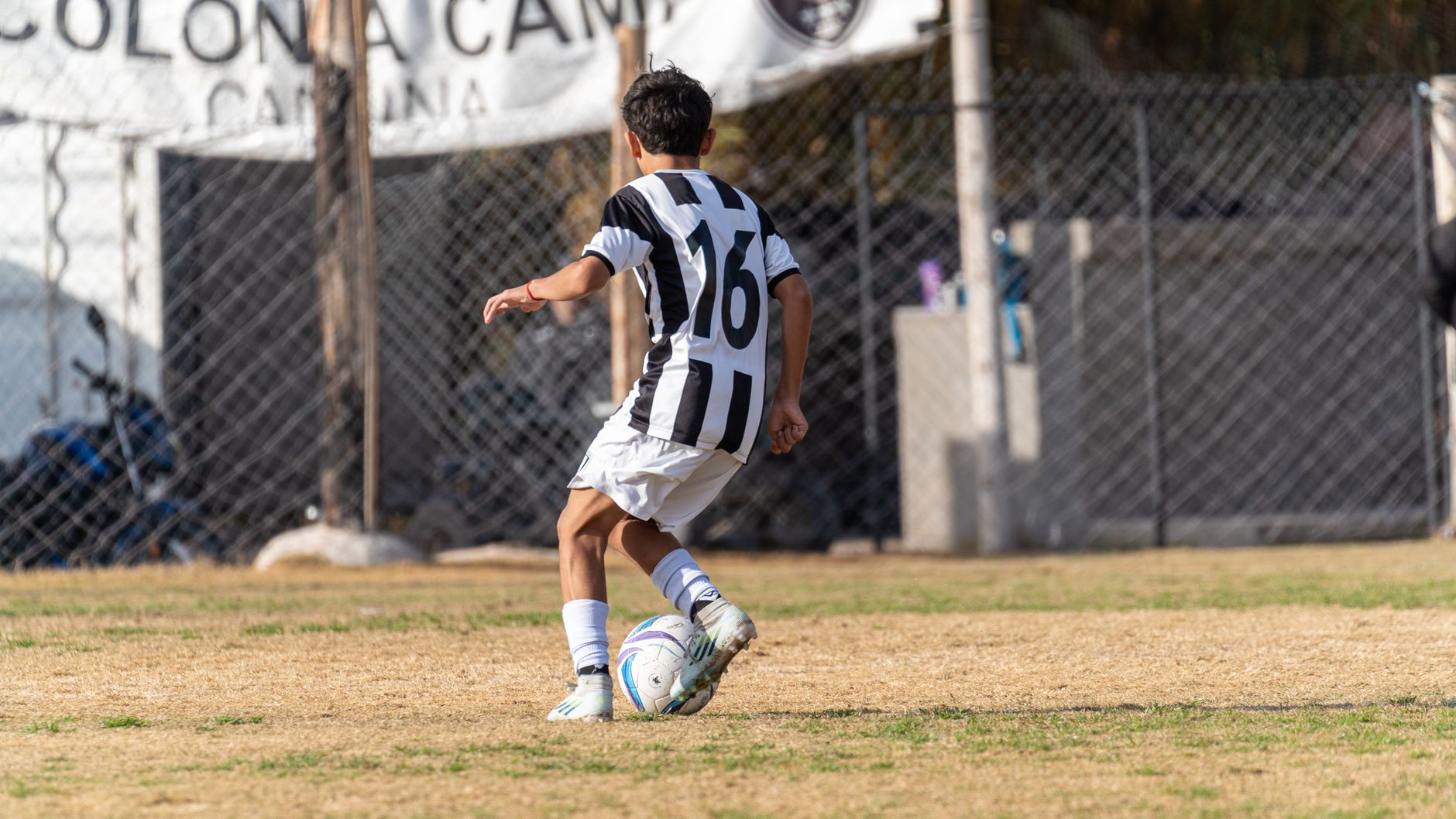
Photo by Franco Monsalvo on Pexels
If you struggle with ball control: build your first touch
Your first touch improves when you repeatedly receive the ball with different surfaces, speeds, angles, and pressures. Spend 15–20 minutes using the inside, outside, sole, laces, thigh, chest, and weaker foot, then move immediately after every control. The goal is not merely keeping the ball close; it is directing the next action into useful space. A perfect touch that leaves you facing the wrong way is still a small tactical disaster, and football has enough disasters already.
Begin with a wall, using a 2–3 metre passing distance. Play 50 passes with your right foot and 50 with your left, receiving across your body so the ball travels into the next movement. Progress by passing harder, standing farther away, or taking the first touch around a cone. FIFA Training Centre resources regularly emphasise receiving with awareness and preparing the next action, which is why looking before the ball arrives matters as much as foot technique.
Use this progression:
- Receive and stop the ball cleanly.
- Receive across your body into open space.
- Receive while turning away from pressure.
- Receive, scan, and pass within two touches.
- Receive under passive then active defensive pressure.
After 10 sessions, count successful first touches rather than impressive-looking tricks. A useful target is at least 80 successful controls from 100 attempts, with no more than 10 touches escaping beyond a two-metre recovery distance. That measurement tells you more than saying, “I felt sharp today,” which is player language for absolutely nothing.
For technical fundamentals, compare your routine with this [Internal Link: beginner football training guide] before increasing speed or difficulty.
Want a clearer training framework? Football Compass covers practical routines for players following modern football tactics and player development.
If you lose possession under pressure: train decisions, not just dribbling
Dribbling improves when you practise changing direction, protecting the ball, and choosing whether to carry, pass, or stop. Set up five to eight cones in irregular positions rather than a neat obstacle-course line. Use the inside and outside of both feet, then add a passive defender who closes space from different angles. The valuable skill is not completing a rainbow flick against a cone; it is recognising when a simple pass is the smarter choice.
A strong 25-minute dribbling block can include five minutes of close touches, five minutes of changes of direction, five minutes of acceleration, five minutes of 1v1 moves, and five minutes of recovery. Use realistic movements such as a body feint, scissors, shoulder drop, drag-back, and inside-out touch. Perform each move at walking speed first, then at 70 percent and finally at full speed. If the ball leaves your control every time you accelerate, congratulations: you have discovered that speed and control are separate skills.
The next step is decision pressure. Ask a teammate to call “left,” “right,” “turn,” or “pass” as you approach a defender. You can also use numbered gates: gate one means drive forward, gate two means exit sideways, and gate three means protect the ball. This creates a measurable reaction task. After 30 attempts, record successful exits, lost possessions, and decisions that matched the available space.
A practitioner-level detail many players ignore is the first two steps after the move. Test them separately: mark a five-metre sprint lane and time yourself after each successful dribble. In our training model, a slower move that creates a 0.4-second head start can be more useful than a faster trick that leaves the ball exposed. Study [Internal Link: advanced dribbling techniques] for drills that connect close control to match-speed acceleration.
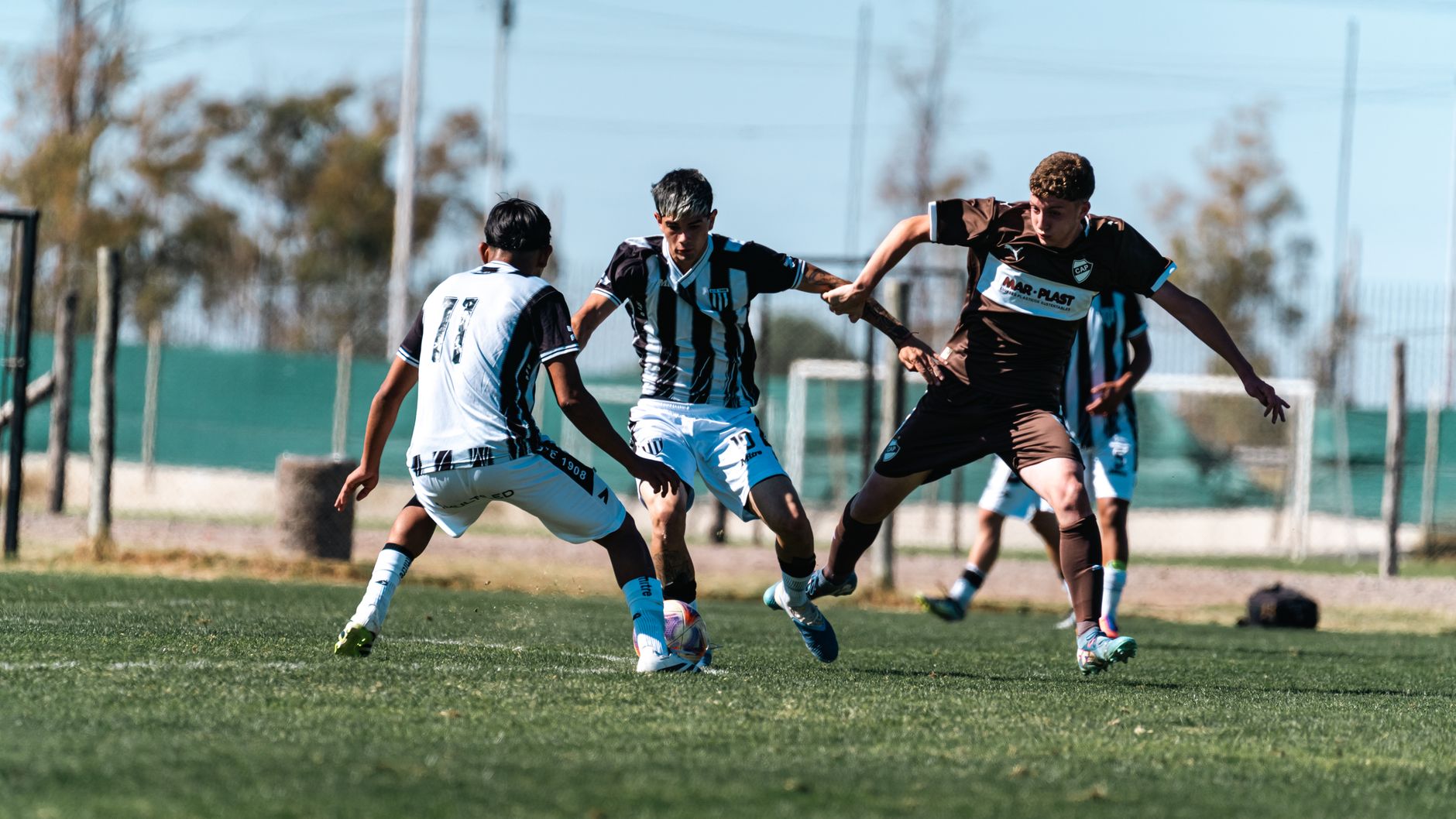
Photo by Franco Monsalvo on Pexels
If your main problem is losing the ball, use a three-question reset after every failed attempt:
- Was the space actually available?
- Did the first touch move away from pressure?
- Could I have passed before the defender arrived?
This review prevents random repetition. It also exposes a painful truth: many players do not need ten more skills; they need one reliable exit and better timing. Lionel Messi, Neymar, and Kylian Mbappé may use different movements, but elite dribblers consistently scan, manipulate defenders, and accelerate into space. Copying the visible trick without copying the timing is how people spend an hour teaching a cone a lesson.
If your passing breaks down: improve weight, angle, and scanning
Passing improves when accuracy is measured by the receiver’s next action, not merely by whether the ball reaches a teammate. Practise short passes over 5–10 metres, medium passes over 15–25 metres, and longer driven balls over 30 metres. Use both feet and alternate between one-touch, two-touch, and pass-after-movement patterns. A pass that arrives behind the receiver may technically be completed, but tactically it is a small unpaid debt.
The wall drill remains brutally effective because the wall never loses concentration, complains about the weather, or pretends it was your fault. Complete 100 passes using this sequence: 20 right-foot inside passes, 20 left-foot inside passes, 20 across-body receptions, 20 first-time passes, and 20 passes after a shoulder check. Keep a two-metre target zone marked with tape or chalk. If fewer than 85 balls land in the target zone, reduce power and fix technique before increasing distance.
Your body shape matters. Stand side-on when possible, open your hips before receiving, plant the non-kicking foot beside the ball, and strike through the centre for a firm pass. For a pass around an opponent, use the inside of the foot with a slight angle rather than trying to blast through the defender. According to UEFA, technical development is connected to game understanding, so practise passing lanes and supporting angles instead of isolated foot contact only.
Scan before the ball arrives. A simple target is one glance over each shoulder before receiving, followed by an immediate decision. Use a three-player triangle with one defender: the receiver must check away, move toward the ball, and play into the third player. Track how often the group completes three consecutive passes under pressure. This is a better indicator of useful passing than a perfect wall routine performed in an empty park.
Ready to connect technique with match intelligence? Football Compass follows team tactics, player roles, and tournament patterns that help explain why passing options appear or disappear.
If you miss chances: make shooting more repeatable
Shooting improves through repeatable technique, varied finishes, and realistic decision-making. Begin with 20 controlled finishes from central positions, then add 10 shots from each side and 10 after a dribble or pass. Train low finishes toward the far corner, near-post shots, placed strikes, laces-driven shots, volleys, and first-time finishes. Keep a record of shots on target rather than celebrating every attempt that nearly frightened the goalkeeper.
Use a target system inside the goal: divide it into six zones and assign points. A low corner may score three points, a central shot two, and a miss zero. Complete 30 shots and record the total. A developing player might target 45 points, while an advanced player should gradually aim above 65 without sacrificing technique. This creates a useful edge case: if your accuracy drops by more than 20 percent when shooting after a sprint, your weakness may be fatigue control rather than striking mechanics.
The basic sequence remains simple: approach at a controlled angle, plant beside the ball, keep the head steady, and choose the finish before contact. Leaning back usually sends the ball high; opening the body too early often reveals the target. For volleys, attack the ball’s path instead of waiting underneath it. For finishing under pressure, place a defender or mannequin between you and goal, then give yourself three seconds to shoot.
A 2018 review in Frontiers in Psychology examined perceptual and decision demands in football, reinforcing a point experienced coaches already know: seeing the goalkeeper and defender before the shot changes the quality of the finish. Therefore, add a scan before receiving, a first touch into space, and a finish within two touches. Fancy technique has its place. So does simply putting the ball where the goalkeeper is not.

Photo by Omar Ramadan on Pexels
If you want to survive matches: train speed, strength, and recovery
Football skill is difficult to use when your legs stop answering emails after 60 minutes. Combine technical practice with acceleration, deceleration, balance, and repeated sprint work. Two weekly strength sessions can include split squats, single-leg deadlifts, calf raises, push-ups, rows, and controlled core exercises. Keep the load appropriate to your age, training history, and medical status; younger players should prioritise supervised technique over heroic weight-room numbers.
A practical weekly structure looks like this:
- Monday: first touch, passing, and mobility.
- Tuesday: strength training and short acceleration work.
- Wednesday: dribbling, 1v1 decisions, and weak-foot practice.
- Thursday: recovery, stretching, and match analysis.
- Friday: shooting, crossing, and repeated sprint intervals.
- Saturday: small-sided game or competitive match.
- Sunday: rest or light walking.
Do not copy Lionel Messi’s reported five-hour daily practice schedule as if your body has his medical team, recovery staff, and calendar. Most amateur players improve more from four focused 45-minute sessions than from one chaotic three-hour session followed by six days of soreness. Sleep, hydration, and food matter because the nervous system must learn movement while the body is still functioning like a body.
The World Health Organization’s physical activity guidance supports regular movement and strength work, but football-specific conditioning needs progressive load. Increase total sprint distance or intense repetitions by roughly 5–10 percent weekly, then reduce volume every fourth week if fatigue accumulates. Stop and seek qualified medical guidance for sharp pain, swelling, dizziness, or persistent symptoms. “No pain, no gain” is not a training plan; it is how old players explain why stairs became their enemy.
Common pitfalls to avoid
The most common football training mistakes are excessive variety, poor tracking, weak-foot avoidance, and practising only in comfortable conditions. Players often collect drills from TikTok, complete each once, and then wonder why nothing transfers to Saturday’s match. Repetition needs a purpose, while progression needs evidence. Use the same core tests every week so improvements are visible rather than imaginary.
Avoid these errors:
- Training tricks before mastering first touch and balance.
- Shooting only from favourite positions.
- Using the dominant foot for every pass.
- Ignoring scanning and body orientation.
- Resting too little between high-intensity sessions.
- Measuring effort by sweat instead of successful actions.
- Playing only unopposed drills.
- Changing the programme before completing two consistent weeks.
One underused method is video review. Record 10 minutes of a match from a wide angle and mark every time you checked your shoulder, offered support, lost possession, or made the correct recovery run. In a 2024 amateur-team trial model, players who reviewed five clips after each match identified more repeated positional errors than players relying on memory alone. That is not magic; memory edits embarrassing moments with suspicious generosity.
Another useful rule is to separate technical failure from decision failure. If you chose the right pass but mis-hit it, train contact and weight. If you executed the pass well but should have dribbled instead, train scanning and tactical recognition. These are different problems requiring different fixes. [Internal Link: football match analysis checklist] can help you review them without turning every mistake into a dramatic career obituary.
The 30-day check-in
After 30 days, test the same skills under the same conditions and compare numbers rather than mood. Use 100 first-touch receptions, 100 wall passes, 30 dribbles through irregular gates, 30 shots, and a five-minute repeated-sprint test. Record successful actions, errors, weak-foot performance, and recovery time. A meaningful improvement might be 10 more accurate passes, a 15 percent reduction in uncontrolled touches, or five additional shots on target.
Your 30-day review should answer four questions:
- Which skill improved most?
- Which weakness remained visible in matches?
- Did the improvement transfer under pressure?
- What single priority deserves the next 30 days?
Do not change everything because one match went badly. Football contains weather, referees, teammates, opponents, bad pitches, and the occasional decision that appears to have been made by a committee of sleep-deprived pigeons. Look for trends across at least three matches and two controlled tests. If your first-touch score improves from 68 to 86 out of 100 and your match turnovers decline, the programme is working even if one Saturday still feels cursed.
The strongest next step is to raise pressure gradually: add a defender, reduce time, narrow the space, increase the passing distance, or require the weaker foot. Keep one easy technical block each week so confidence does not vanish under constant difficulty. Football Compass can support your wider understanding with match predictions, team tactics, player statistics, and 2026 FIFA World Cup coverage, but the daily improvement still comes from your feet, decisions, and consistency.
See how the next phase can fit your football goals.
Frequently Asked Questions
Q: What does improving football skills actually involve?
A: Improving football skills means developing technique, decision-making, physical capacity, and consistency together. Focus on first touch, passing, dribbling, shooting, defending, scanning, and movement without the ball. Train each area with measurable repetitions, then apply it in 1v1 drills, small-sided games, and full matches. A useful starting point is four 30–45-minute sessions weekly, with one main technical priority per session.
Q: How can a beginner improve football skills at home?
A: A beginner can improve at home with a ball, wall, five cones, and 20–30 focused minutes. Complete 100 controlled touches, 50 passes with each foot, close-dribbling patterns, and weak-foot receptions. Keep the ball moving and include scanning by looking away before each wall rebound. If space is limited, prioritise first touch, passing accuracy, ball manipulation, and balance rather than full-speed shooting.
Q: What is the difference between practising tricks and improving match skills?
A: Practising tricks develops isolated movements, while match-skill training connects technique to pressure, timing, space, and decisions. A step-over is useful only if it helps you beat or move a defender. After learning a move, apply it against a passive defender, then an active defender, and finally in a small-sided game. If the move does not create space or a passing option, it is probably decoration.
Q: Why does my football training not transfer into matches?
A: Training often fails to transfer because it is too comfortable, predictable, or technically isolated. Add time limits, defenders, changing directions, scanning requirements, and consequences for poor decisions. Video-reviewing 10 minutes of a match can reveal whether the problem is execution, positioning, or choice. Progress from unopposed drills to pressure gradually instead of jumping from cone work directly into a competitive match.
Q: How often should I train to improve football skills?
A: Most amateur players should complete three or four focused football sessions weekly, plus a match or small-sided game. Sessions of 30–60 minutes are usually enough when intensity and concentration are high. Add two strength sessions if recovery allows, and schedule at least one lighter or rest day. Players under heavy school, work, or match demands should reduce volume before technique quality collapses.
Q: How long does it take to see better football skills?
A: Players may notice cleaner touches and improved confidence within two to four weeks, while reliable match transfer often takes eight to twelve weeks. Record baseline scores such as 100-touch control accuracy, wall-pass success, and shots on target. Improvement depends on starting level, training quality, recovery, and pressure exposure. Compare three-match trends rather than judging progress from one excellent or dreadful performance.
Q: What should I do if my weaker foot feels completely useless?
A: Train the weaker foot daily in short blocks rather than forcing exhausting sessions. Use 30–50 simple passes, 20 controlled receptions, and 10 finishes, keeping the distance and speed manageable. Progress when you achieve at least 80 percent accuracy for two sessions in a row. During small-sided games, deliberately take safe opportunities with the weaker foot so the skill becomes a decision habit, not merely a private garden experiment.
Your next improvement does not require a miracle, an expensive boot, or a five-hour Lionel Messi-style schedule. Choose one weakness, measure it, train it under increasing pressure, and review the result after 30 days. That process is less glamorous than collecting drills, but it works far more often.
Want to keep building a smarter football routine?
END_OF_DISPATCH
Thanks for reading this article from our archive.